
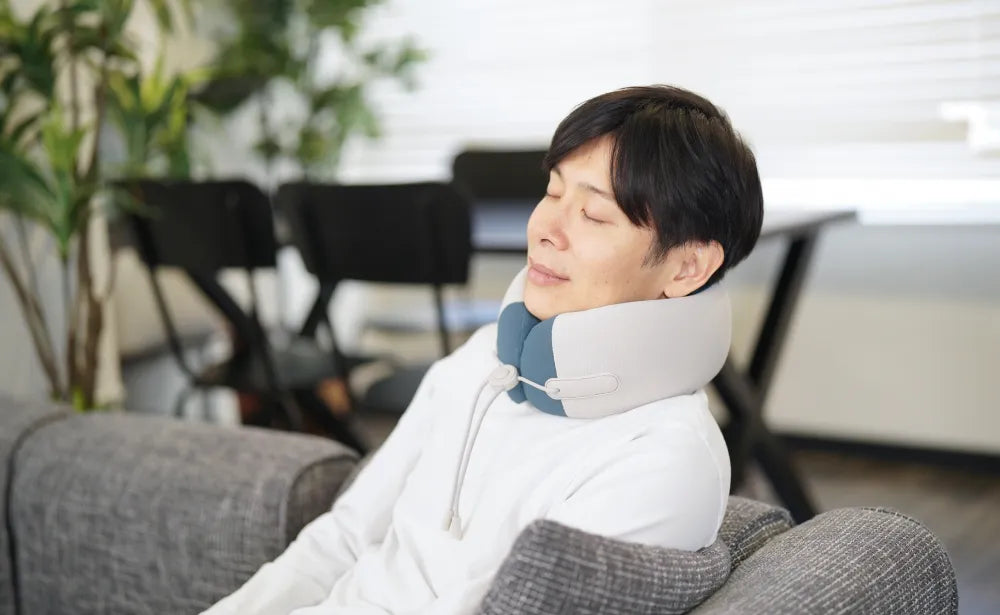


Isn't napping actually the "best work technique"?
Science tells us the right way to spend your afternoon
Lately, the time after lunch has felt unusually long.
The letters on the computer screen suddenly become blurry, and suddenly sleepiness taps me on the shoulder from behind.
Something like, "Okay, it's time for a nap."
I can't sleep, but I have a feeling that I'll definitely feel better if I do.
This is a bit unfair, isn't it?
However, I was surprised to learn recently that this "cheaty nap" actually makes a lot of sense.
What's more, it's not just pleasant, but it's also said to be "about three times more effective than a night's sleep."
It's hard to believe, but it seems that serious research is being conducted all over the world.
This time, I will explain the unknown power of naps in as easy-to-understand a way as possible, while also mixing in some personal thoughts.
■ First, the power of just 15 minutes, as revealed by a Japanese study
According to a survey conducted by the Ministry of Health, Labor and Welfare of Japan,
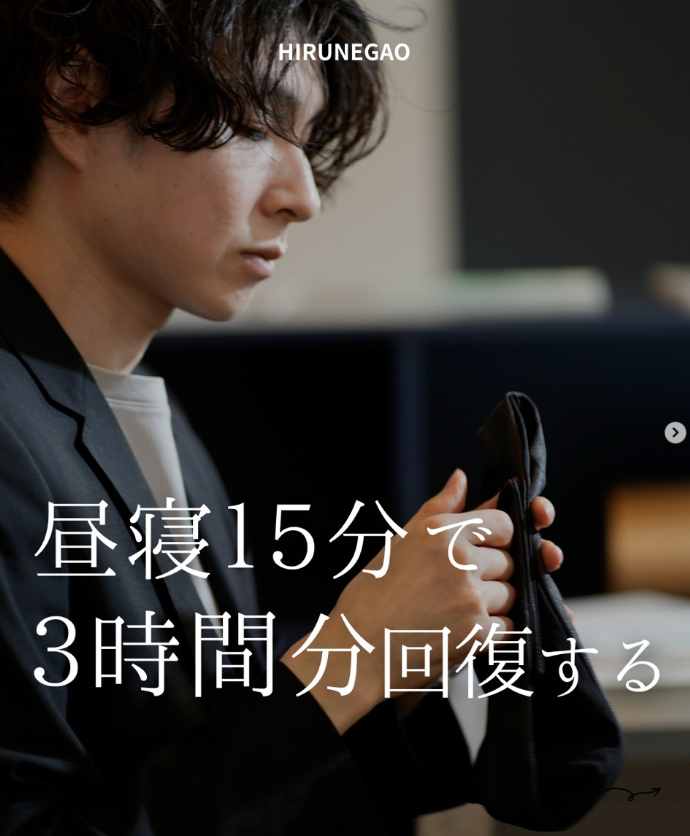
The group that took a 15-minute nap showed improved work efficiency compared to the group that did not.
that's right.
15 minutes really is just a blink of an eye.
It's not much different from the time it takes to heat something up in the microwave at the office.
Yet, if my efficiency increases, I wonder why I'm supposed to work better when I sleep.
In fact, I have tried taking a short nap during my work break, and the moment I woke up, the fog in my head cleared and I wondered, "Huh? Where did that sleepiness from before go?"
It's short, but it's effective. This is the amazing power of a "power nap."
■ Space-level research: NASA pilots also took naps
What was even more surprising was the research from NASA.
Research into naptime among astronauts and pilots may seem like something from a movie, as it seems so different from the rest of the world, but it is actually a study that has been conducted.
The result was,
A 26-minute nap can improve your efficiency by 34% and your alertness by 54% .
26 minutes.
It's just a little longer than that frustrating time it takes when your smartphone's charge only increases by 1%.
If a nap can make such a difference, it seems silly to fight afternoon sleepiness.
Still, it's strangely convincing that people who go into space would take naps.
I recommend it because it also makes a great excuse for saying, "Even astronauts take naps, so I can take one too."
■ Just taking a nap three times a week reduces your risk of death by 37%?
This is already impressive enough, but there's even more shocking data.
A large-scale study conducted by Harvard University and the University of Athens found that
People who napped three times a week had a 37% lower risk of death than those who didn't.
that's right.
Even I couldn't believe my eyes.
After all, there's not much of a connection between naps and mortality rates.
I wonder if something like a nap has anything to do with life expectancy...
But if you think about it objectively, naps seem to relieve stress, reduce strain on the heart, and cause a variety of changes in the body.
The idea that "naps = healthy habits" actually makes sense.
■ Research shows that people who take naps have brains that are 2.6 to 6.5 years younger
Another thing that surprised me was the research on the brain.
According to a study by University College London:
People who take naps are more likely to have a high risk of developing autism than those who don't.
Brain volume loss is delayed by 2.6 to 6.5 years
The results are as follows.
Brain volume is less likely to decrease, meaning the brain is more likely to remain young.
I never thought that napping could have anti-aging effects.
In the past, people would say that taking a nap is a waste of time, but now
"Aren't you missing out if you don't take a nap?"
I even feel that way.
■ Drinking coffee before a nap actually makes a lot of sense
I think many people have the problem of feeling fuzzy-headed after taking a nap.
I used to be like that too.
It was around this time that I learned about research at Hiroshima University.
What?
Drinking coffee before a nap can help you wake up refreshed
This is the result.
At first I thought it was the other way around, but when I learned the reason, it made sense.
The caffeine kicks in after 20 to 30 minutes.
In other words, if you drink it and then take a nap, the caffeine will start to work when you wake up.
This method is really worth trying out.
I'd like you to try it even if you think you're being tricked.
■ "Conditions for napping" common to all studies
Looking at the research so far, it's not that any nap is good, but there are some commonalities.
● Naps should be no longer than 10-30 minutes
If you sleep for more than 30 minutes, you will likely fall into a deep sleep and become even more sleepy.
Research agrees that shorter is better.
● The best time is 1-2 hours after lunch
From the perspective of your body clock, this is a time when you can make good use of the sleepiness you feel after eating.
● Expose yourself to strong light after waking up
Your body will instantly switch into "afternoon mode."
● It would be even better if there was an environment that blocks out light.
Light makes it difficult for the brain to rest,
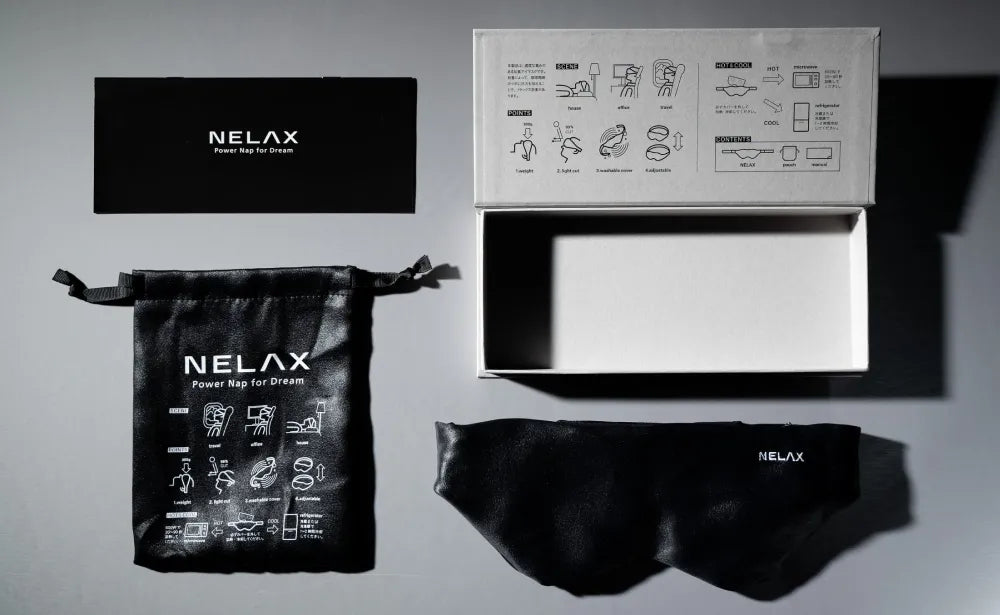
Eye masks are more effective than you might think .
(As someone who makes eye masks for naps, this is a point I want to emphasize.)
■ Naps were not "slacking off" but "strategy"
At my previous workplace, there was an atmosphere where you would get scolded if you took a nap.
He said that working adults are supposed to work, and taking naps is something students do.
But when you look at the research results, naps are actually
・Improve concentration
・Increase productivity
-Protect your brain health
Reduce long-term health risks
It's a brilliant "strategy."
I feel like people who work quickly actually do things like this naturally.
I guess you could say he knows how to keep himself in good condition.
"Do I look lazy when I take a nap?"
Those worries are now a thing of the past.
If someone sees you napping, you might as well say something like this:
"No, this is an investment to improve efficiency."
■ "The correct way to take a nap" that you should start practicing today
Finally, I will summarize the tips for napping that I have come up with after reading various studies and trying them out myself.
- Drink coffee before bed
- Close your eyes for 10-20 minutes
- If possible, use an eye mask to block out light
- When you wake up, open the window and let in the light.
- I go to bed with the intention of resetting myself before my afternoon plans.
These five things alone can make all the difference in your afternoon productivity.
■ Finally: Napping is the best self-maintenance
When I researched naps, I found that they have so many benefits that I wondered why they didn't teach this at school earlier.
- Increased work efficiency
- Attention UP
- Stress reduction
- Preventing brain aging
- Reduced health risks
I even think that this is a level of effect that cannot be achieved through supplements or training.
And best of all, naps feel good.
It's not an obligation or a training, it's just a feeling of comfort.
What's more, it will put you in a state where you can work at a ``different level'' in the afternoon, so it's something you should actively adopt.
This afternoon, set your phone alarm for 15 minutes, drink some coffee, and put on an eye mask.
Those 15 minutes could change your afternoon...no, your day.