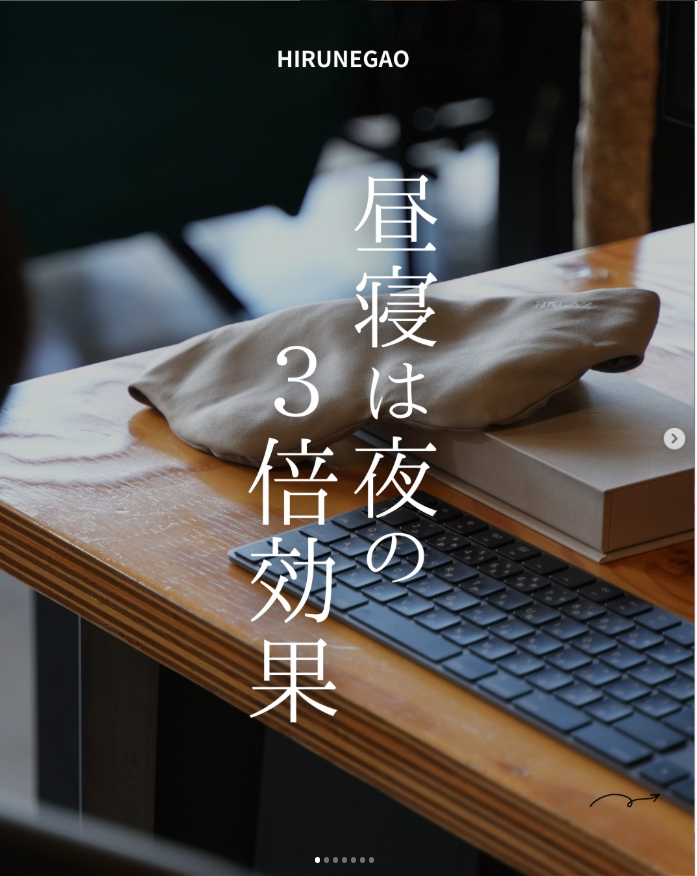



[A 15-minute nap is worth 3 hours?] A story about "a little trick" that changes our afternoons
"I'm so sleepy after lunch..."
This happens to you every day. You may have been able to concentrate reasonably well in the morning, but once 1pm hits, it's like your brain suddenly switches off. Even when you're staring at your computer screen, the words just don't flow. Even if you take a sip of coffee to get motivated, it honestly doesn't make much difference.
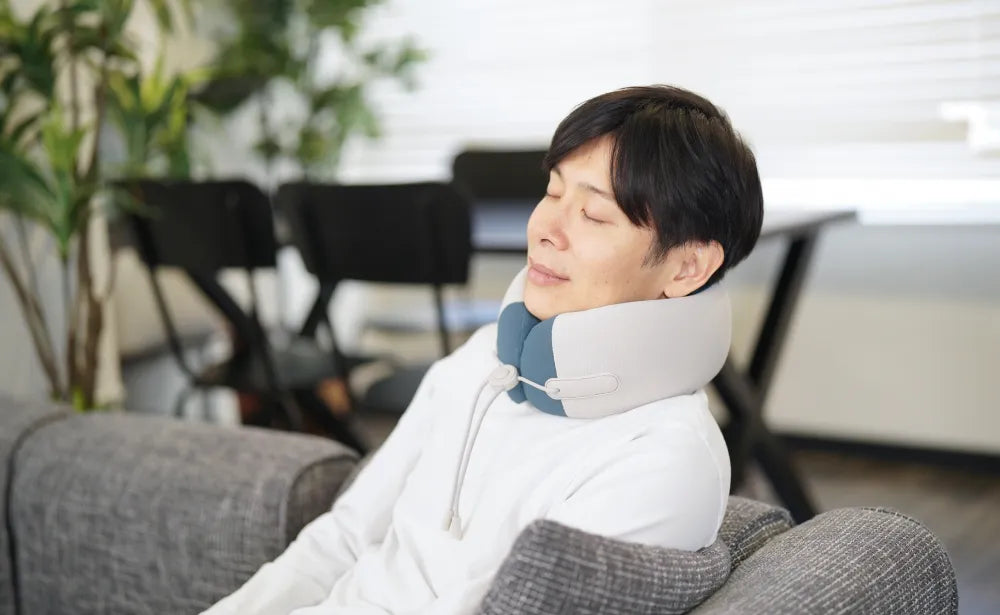
Recently, I have been trying out a new habit: taking a 15-minute nap .
You might think it's only that long, but these 15 minutes are actually more significant than you might think. The old me would have said, "No way, what's the point in sleeping that short?" But when you actually try it, the moment you open your eyes, your mind feels so clear it's like you're a different person.
Well, there's a good reason behind this "15-minute power."
◆ The wonder of how 15 minutes can make you feel 3 hours worth of fatigue disappear
The benefits of a short nap have been discussed in numerous studies. Apparently, just 15 to 20 minutes of sleep can instantly relieve brain fatigue, making you feel "about three hours more energetic."
When you actually try it, it certainly works. Your field of vision becomes so bright that you'll wonder, "Where did I go?" Your concentration, which would never return if you just sat down and continued working, is restored.
This phenomenon occurs because you are on the very edge of not getting deep sleep, and it is said that even though your body is barely resting, your brain is still able to recover properly.
To use a smartphone as an example, it's like "ultra-fast charging," where the battery returns to 80% in just a few minutes. It's surprising to learn that the human body works in this way, too.
◆ It seems that taking a nap automatically takes stock of your brain
What happens in the brain when you take a nap? According to experts, "information that has become jumbled up after being overused is sorted out," which makes perfect sense.
Emails, conversations, documents, tasks that have piled up in the morning... By resetting all of these, the same brain functions in a completely different way. Taking a nap may be more like cleaning your brain than just relieving fatigue.
When I was working for a company, I couldn't take a nap because I felt like people would think I was slacking off, but now I think it's the opposite. Taking a good nap helps me get more done in the afternoon, and ultimately improves both the quantity and quality of my work.
Taking a quick 10-minute nap is many times more efficient than lazily slumping over your desk. I truly wish I'd known this sooner.
◆ Hiroshima University research: Coffee before a nap is so effective it's unfair
When talking about naps, there's one trick that always comes up: drinking coffee before your nap .
At first, I wondered, "What's the point of drinking caffeine right before bed?" But it's actually the opposite. Immediately after drinking it, the caffeine hasn't reached your brain yet, so you can fall asleep normally. Then, just 15 to 20 minutes later, just as you're about to wake up, the caffeine kicks in and wakes you up.
This is so addictive that it's almost sickening. As soon as the alarm goes off, it feels like my mind has switched over. I'm so impressed that I can't help but exclaim "Wow" every time.
A study from Hiroshima University showed the same results, and it seems that drinking coffee before a nap is quite effective in preventing afternoon drowsiness. Overseas, it has become popular under the name "coffee nap," and is even recommended by NASA and Google for pilots and employees.
◆ Be careful about taking naps longer than 90 minutes
On the other hand, there are some naps that you should avoid. Naps longer than 90 minutes in particular are said to disrupt your nighttime sleep rhythm.
That phenomenon where you feel sleepy if you sleep too much is actually the opposite. This is because your brain goes into deep sleep and switches completely to "night mode."
A 15-20 minute nap is light sleep, so you wake up quickly, but the longer you sleep, the more groggy you feel when you wake up, making it difficult to fall asleep at night. The tricky thing about napping is that the more you try to do it, the more counterproductive it becomes.
◆ Try the "Golden Nap Set" today!
- Set an alarm for naps of 15 to 20 minutes
- Drinking coffee before a nap (coffee nap)
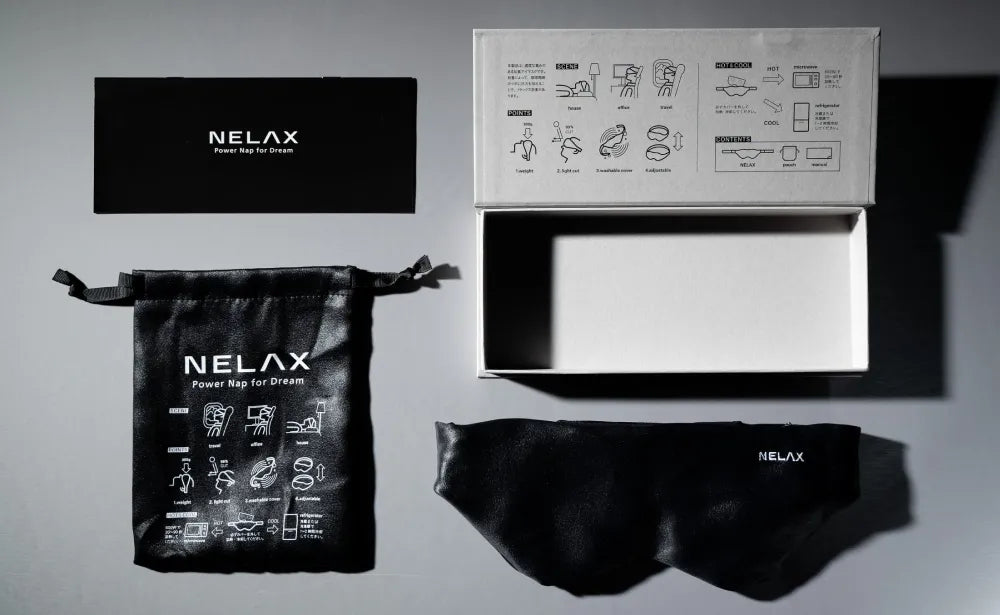
- Darken the room or use an eye mask
- When you wake up, expose yourself to light to wake up your brain
This simple step can dramatically change your afternoon's performance.
◆ Naps are "performance management"
In Japan, the image of "nap = laziness" still lingers, but it's become common knowledge around the world. The value of naps is proven when Google and NASA create nap spaces.
A nap isn't just a way to rest, it's a warm-up exercise that will help you maximize your afternoon productivity . Taking a short nap well can make a big difference in the quality of your work and your mood.
◆ Finally: Taking a 15-minute nap is the best habit you can start right now
In the end, napping is a hassle-free investment in yourself. It costs nothing and requires no preparation. You can start today and feel the effects right away.
After taking 15-minute naps for a while, I realized that if I don't feel tired in the afternoon, my satisfaction with the day increases. I don't feel too tired in the evening, so I can enjoy my evenings as well.
Taking a nap is no longer a luxury, but a part of working efficiently. Try to carve out 15 minutes somewhere in your day to take a nap, just like plugging in your smartphone's charging cable.
The view in the afternoon will surely look a little different.