


The truth behind the question, "If you go to bed right after eating, you'll gain weight"
After lunch, I always feel sleepy. I think, "I want to sleep a bit," but suddenly, that phrase pops into my head.
"If you go to bed right after eating, you'll gain weight"
This is a phrase that we've heard many times since childhood, and to be honest, it's quite intriguing.
I want to put in a little more effort in the afternoon, but I don't want to gain weight. In the end, I endure it and continue working, rubbing my eyes...
But actually, this is a bit of a misunderstanding .
"Feeling sleepy after eating" is actually a sign of good health
First of all, let me start by saying this: feeling sleepy after eating is a sign that your body is working properly.
When you eat, your body switches to digestive mode. Blood rushes to your stomach and intestines, where it uses energy to break down nutrients. During this time, blood flow to your brain decreases slightly, which naturally makes you feel sleepy.
In other words, feeling sleepy after lunch is normal.
So, if you continue working despite feeling sleepy, it's like ignoring your smartphone telling you to charge it and continuing to use it. Of course, the battery will run out by the afternoon.
So, to answer the question, "Does sleeping make you gain weight?", I'll give you a direct answer...
Ok, let's get to the main topic.
The bottom line is that napping for less than two hours won't make you gain weight.
The hormone that is related to whether or not you gain weight is called "norepinephrine," which activates metabolism in the body and helps burn fat.
If you sleep soundly for more than two hours, the secretion of this hormone stops and your metabolism slows down. However, a short nap of about 15 to 30 minutes does not have this effect. In fact, it relieves fatigue in the brain and nerves, improving your performance in the afternoon.
In other words, it's sleeping too long that makes you gain weight, not the nap itself .
Lack of sleep actually makes you more likely to gain weight
In fact, rather than the fact that "taking a nap will make you gain weight," what you should be more aware of is the fact that "lack of sleep makes you more likely to gain weight."
Lack of sleep disrupts the two hormones that control appetite: ghrelin and leptin.
- Ghrelin: The hormone that tells you when you're hungry
- Leptin: The hormone that tells you when you're full
When you don't get enough sleep, the balance between these two is disrupted, increasing ghrelin and decreasing leptin, which means your appetite goes out of control .
That urge to eat ramen in the middle of the night might not be down to weakness of willpower, but hormones.
So, on days when you don't get enough sleep, it's wise to take a nap and repay some of that "sleep debt." Sleeping will ultimately help you maintain your shape.
"Going to bed right after eating" is a no-no, but "going to bed a little later" is OK.
One thing to note here: going to bed immediately after eating puts pressure on the stomach, which can slow digestion and make stomach acid more likely to reflux.
Therefore, it's best to wait 20 to 30 minutes after eating before taking a nap. This is the time when digestion will calm down and your body will be more relaxed.
Around this time, fluctuations in blood sugar levels cause sleepiness to peak, so it can also be said to be the time when you can naturally fall asleep comfortably.
The recommended procedure is as follows.
- Eat your lunch slowly (eating quickly makes you sleepy)
- Take a short walk after your meal (just go to get some coffee)
- 20 minutes later, a 15-minute nap
This is good for digestion and leaves you feeling refreshed in the afternoon. You'll feel like you've done pretty well this afternoon.
By the way, the more sleep-deprived you are, the better it is to take a nap.
Surprisingly, continued lack of sleep disrupts not only appetite hormones but also stress hormones.
People who don't get enough sleep tend to be more irritable and crave sweets. This is simply the brain's attempt to "get a temporary boost from sugar."
However, if you take a nap to compensate for this, your brain will naturally calm down and your appetite will stabilize. In other words, a nap is like a cushion that prevents "mental overeating." It may be short, but it's a surprisingly effective way to restore balance.
Key points of HIRUNEGAO's "Nap that won't make you fat"
- Don't go to sleep immediately after eating: 20-30 minutes after is best
- Time: 15-20 minutes; no more than 30 minutes
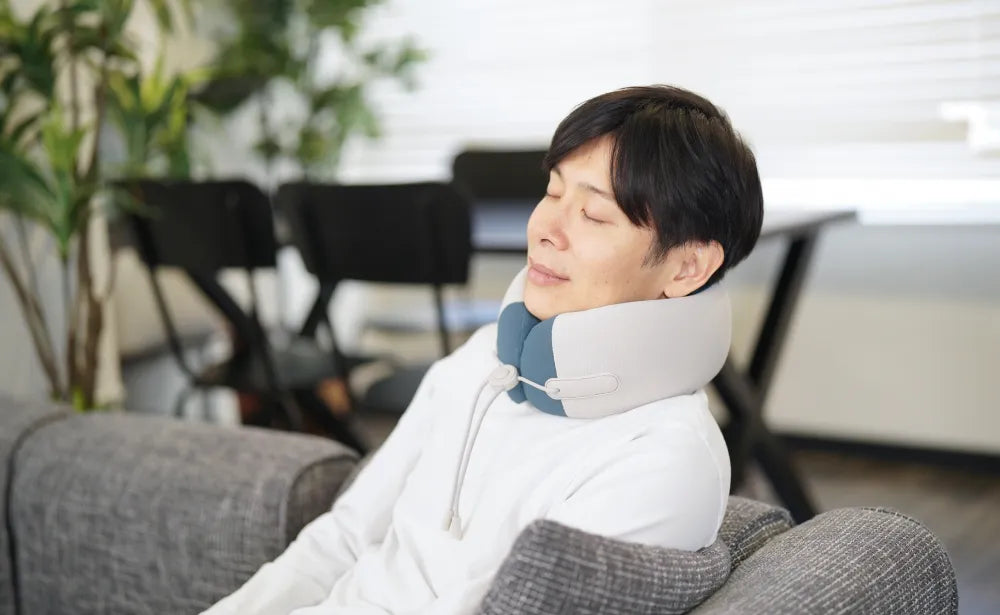
- Ease into a chair instead of a bed: lying down makes you sleep too deeply
- Light and water when you wake up: Switch on your body
This alone will eliminate afternoon sleepiness, regulate your metabolism, and clear your mind. If you think of naps as a "switch to improve performance" rather than a "risk of gaining weight," your life will change considerably.
The saying "sleeping makes you fat" is no longer a thing of the past.
As the saying goes, "a well-sleeping child grows well," and sleep is essential for growth, metabolism, and recovery.
Although it is not recommended to sleep for two hours straight after a meal, a 15-minute nap is actually healthy. Sleeping regulates the body's hormones, which ultimately helps create a body that is less prone to gaining weight.
Eat, take a short rest, and then try again. This may be the most natural rhythm for humans.
Conclusion: Guilt-free afternoon breaks
It's time to change the image that "naps = slacking off." Naps aren't laziness, they're a strategy. Just 15 minutes is an investment to get yourself in shape.
It's much more productive to think about how you sleep than worrying about whether you'll gain weight.
When the afternoon air cools down a little, take a sip of coffee and quietly close your eyes. Just that will lighten your body and mind.
HIRUNEGAO hopes to spread this small "nap culture" even further.
Today's Summary
- Feeling sleepy after eating is a natural reaction
- Naps of less than two hours won't make you fat
- Lack of sleep actually makes you more likely to gain weight
- It is best to wait 20-30 minutes after eating and then sleep for 15 minutes.
- Naps are not a way to gain weight, but a healthy habit
So, throw away the guilt and take 15 minutes in the afternoon for a quiet reset. Your body is waiting for it.