



How to take caffeine effectively | HIRUNEGAO teaches you the right balance between sleep and wakefulness
"I drank coffee, so why am I still sleepy?"
"I took caffeine to stay awake, but it actually made it hard for me to sleep at night."
Have you ever been confused by this ``mystery of caffeine''?
As a "nap specialist brand," HIRUNEGAO offers a "nap method" that improves daytime performance.
Today, I would like to talk about how to properly interact with caffeine, which is something that everyone consumes on a daily basis.
Caffeine is a great companion, but it depends on how you use it.
When you think of caffeine, the first thing that comes to mind is coffee.
A morning coffee to shake off sleepiness, a cup before a meeting, or an afternoon coffee to simply change your mood.
I'm sure there are many people who will be turned on by just that fragrant aroma and think, "Okay, let's do our best."
Caffeine certainly has the effect of "increasing concentration" and "reducing fatigue."
That's why business people all over the world are being saved by that little cup.
however.
Caffeine is also a "partner that can betray you if used incorrectly."
The stimulating effect lingers even at night, making it difficult to fall asleep and resulting in shallow sleep.
You may wake up the next morning thinking, "I slept well, but I still feel tired."
In other words, caffeine is not the enemy.
Having time and quantity on your side can make all the difference in your day.
In fact, the theory that "coffee before a nap" is the best
This may be a bit surprising.
It is often thought that drinking caffeine before bed will keep you awake, but the only exception is before a nap .
It takes about 20 to 30 minutes for caffeine to take effect after it enters your body.
So if you drink coffee and then take a 15-20 minute nap, the caffeine will kick in just as you wake up.
This technique, known as a "caffeine nap," will help you shake off that groggy feeling you get when you wake up and clear your head.
This method is also recommended by NASA research, and is actually being adopted by many companies.
Some Japanese people still have the image that "nap = slacking off," but in fact, from a scientific perspective, the combination of a short nap and caffeine is the ultimate combination for increasing work efficiency .
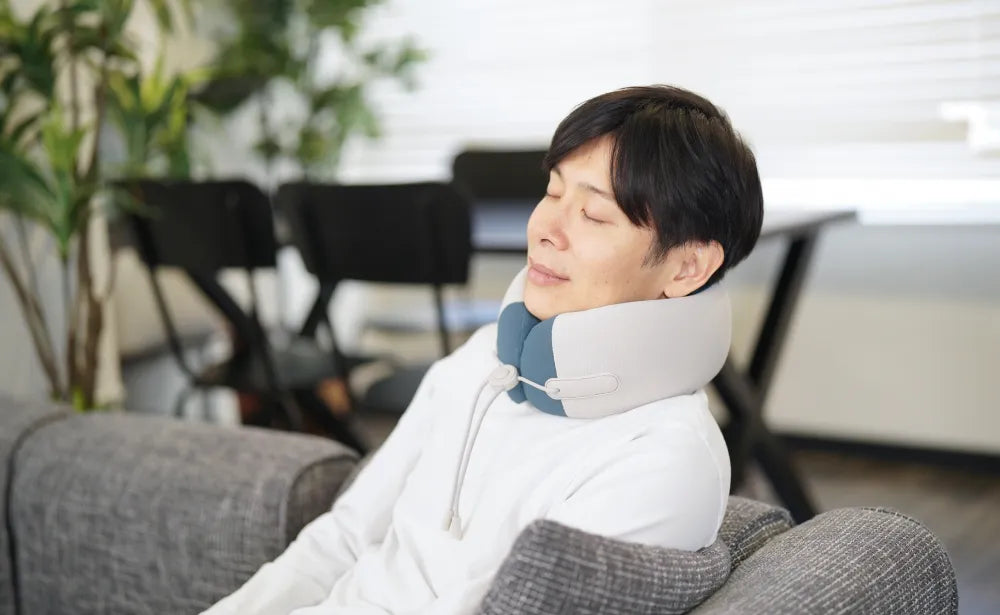
At HIRUNEGAO, we also recommend taking a 15-minute nap.
The key point is that this is short, so you don't fall into too deep a sleep and you can wake up easily.
Add to that the stimulating effect of caffeine and your afternoon focus will be completely different.
"The more you drink, the better" is a myth
Relying too much on caffeine can also be dangerous.
In fact, some people experience palpitations, anxiety, and stomach upset if they take too much.
If you want to enjoy caffeine in a healthy way, aim for less than 400ml per day .
- ☕ Coffee: 3 mugs
- 🍃 Black tea: 4 cups
- ⚡ Energy drinks: 1-2
Recently, many people have started drinking energy drinks on a daily basis, but most of them contain a high amount of caffeine per bottle.
If you reach for a second one because you're sleepy, you may end up consuming too much without realizing it.
The ideal situation is to use caffeine like a spice, rather than treating it like a medicine.
At night, eat at least four hours before bed to avoid disrupting your sleep rhythm.
The stimulating effects of caffeine last for an average of about four hours.
In other words, if you want to go to bed at 11pm, it's best to avoid caffeine after 7pm at the latest.
For some people, it may remain in the body for longer, so people who are used to drinking coffee in the evening should be careful.
If you consume too much caffeine in the evening, it will make it harder for you to fall asleep and you will not feel refreshed the next morning.
If you want to improve the quality of your sleep, we recommend switching to decaf or herbal tea after the evening.
Sip a warm, caffeine-free drink such as chamomile tea or rooibos tea.
That alone will let your body know that it's time to rest.
If you make it a bedtime routine, your sleep rhythm will naturally improve.
HIRUNEGAO's caffeine schedule
To see what kind of rhythm is best to incorporate it into your routine, please refer to HIRUNEGAO's daily cycle.
Morning: Have a cup after breakfast, not right after waking up
When you first wake up, your body is releasing cortisol (your natural wake-up hormone).
There's not much point in taking caffeine at this point.
After breakfast, have a drink when you feel like your body is starting to move.
This is the most pleasurable rhythm of awakening.
🌞 Lunch: Coffee after dinner + 15-minute nap
After eating lunch, everyone is hit by that dreaded sleepiness.
This is the perfect time to combine coffee and a nap.
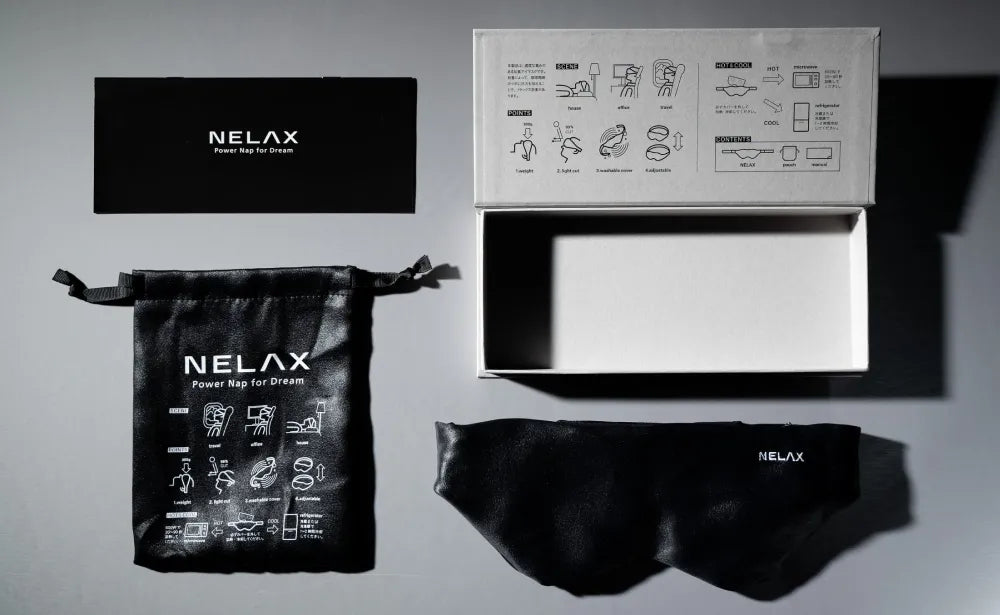
Drink a cup of coffee and then take a 15-minute nap with an eye mask on.
HIRUNEGAO's weighted eye mask effectively blocks out light while gently enveloping you, allowing you to relax even for a short time.
I naturally wake up just as the caffeine starts to kick in, and it makes all the difference in my concentration in the afternoon.
🌇 Evening: Switch off from caffeine and go natural
Avoid caffeine after 4pm and instead refresh yourself by stretching and taking deep breaths.
Even just doing some light exercise after finishing a task can help restore blood flow to your brain and clear your head.
On days when you feel extremely sleepy, simply washing your face with cold water can reset you.
🌙 Evening: Go caffeine-free and switch off
For a relaxing evening, try decaf coffee or herbal tea.
The scent and warmth are soothing.
It's also nice to use your favorite mug as a ``closing ritual'' to end the day.
Switching from work mode to rest mode determines how you perform the next day.
So how should you deal with caffeine?
Caffeine can be a great companion during the day if used properly.
However, if you continue to drink without planning, it will show its fangs at night.
The important thing is to drink with a purpose.
To ward off sleepiness?
Because you want to concentrate?
Or do you just want to relax?
Just by being aware of why you are drinking coffee, your relationship with caffeine will change dramatically.
At HIRUNEGAO, we value both sleeping and waking up.
A good night's sleep is an extension of a good awakening.
And waking up feeling great is all about getting a good balance of rest and caffeine.
Summary: Make sleep your ally and caffeine your partner.
- Caffeine improves focus, but be careful not to consume too much
- A cup before a nap is most effective
- The recommended daily intake is 400ml or less
- Go caffeine-free 4 hours before bedtime
Caffeine can be your friend or foe, depending on how you drink it.
With a little ingenuity, you can learn to cope with sleepiness.
Why not take a 15-minute nap this afternoon with a cup of coffee in hand?
The moment the caffeine kicks in and you wake up refreshed.
You will surely feel that "sleeping can be so positive."