
Boost your work efficiency! Golden rules for naps that will change your afternoon


6 Golden Rules for Naps You Don't Want to Tell Your Family About
Have you ever had your eyelids feel heavy after lunch and thought, "I wish I could lie down for a bit..."? However, when you actually try to take a nap, you may find that you can't fall asleep easily, or that you end up sleeping too much and feeling exhausted.
I've experienced this myself. I suddenly find myself face down at my desk, and when I wake up, I can clearly see the marks of my arm on my face. And my mind is still fuzzy. This is not a good nap at all, it's the opposite of what you'd expect.
So, today we'll introduce six simple nap tips that will help you fall asleep and wake up easily. These are small tips, but knowing them can make a big difference in how you spend your afternoon.
1. Sleeping in a sitting position
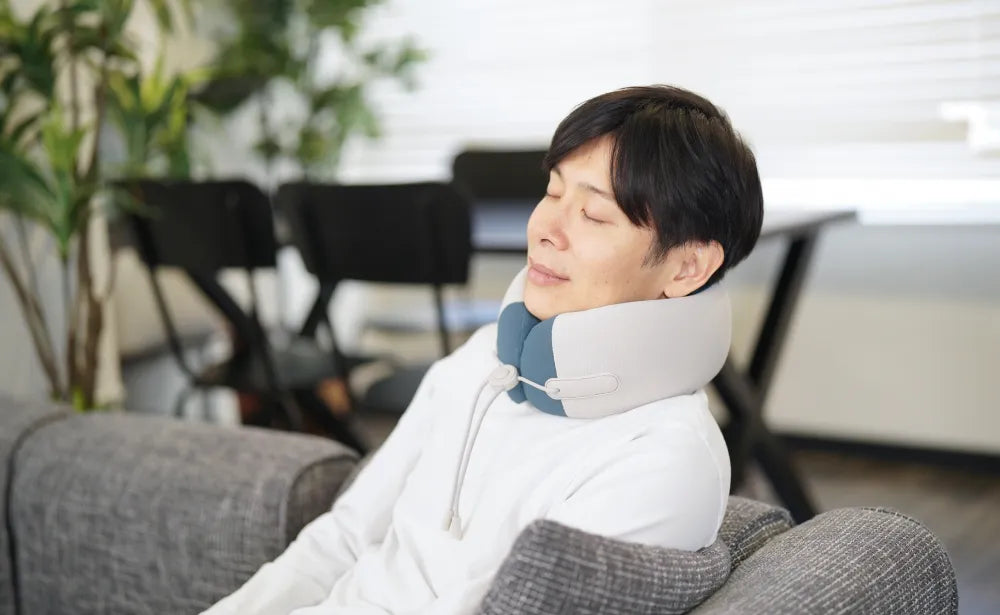
You might think, "I have to lie down for a nap!", but it's actually okay to sleep while sitting up.
By not lying down, the nerves in your neck are stimulated just enough, which prevents you from falling into too deep a sleep. Even though it's a short nap, you'll wake up feeling surprisingly refreshed.
If you're in the office, you can just lean your head over your desk. It may look like you're slacking off, but it's actually a logical way to do it.
2. Block out as much light as possible
Bright light during the day is a major factor that disrupts sleep. Exposure to light reduces the secretion of melatonin, the sleep hormone, making it difficult to fall asleep.
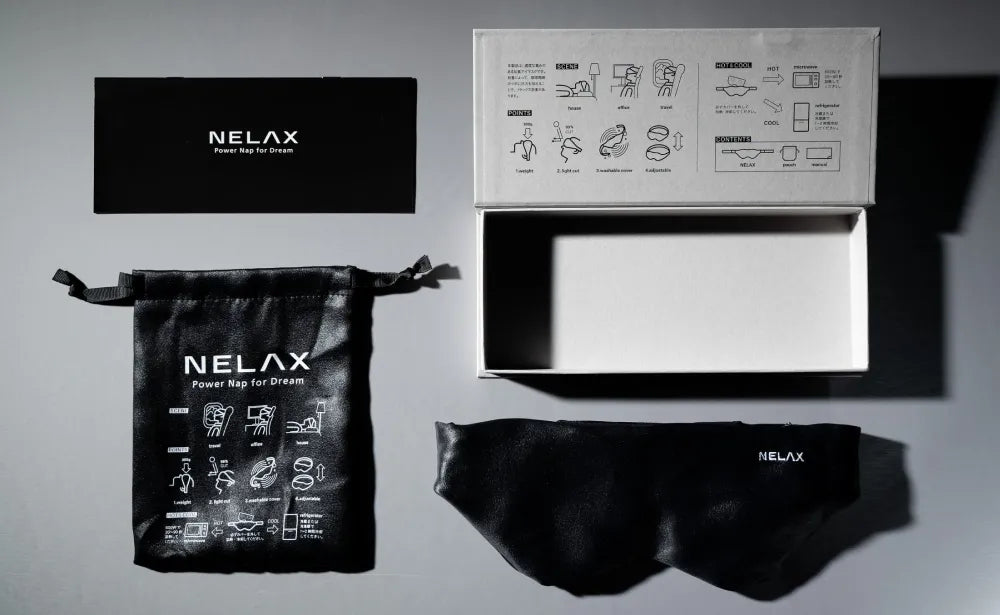
When taking a nap, choose a dark place if possible, or use an eye mask. It's much easier to fall asleep in a quiet place a little further back than in a bright window.
An eye mask can completely change the quality of your nap, so it's recommended to keep one in your desk drawer.
3. Play some soothing noise
"I can't sleep if it's too quiet," or "I don't want to be bothered by people talking" -- if that's the case, try playing some white noise.
The sounds of rain, waves, and wind are typical examples. This is surprisingly effective. Environmental sounds with a constant rhythm calm the brain and make it easier to fall asleep.
I often take naps with the sound of waves playing softly through my headphones. I stop being bothered by the noise around me, and before I know it, I'm asleep. It's a great companion for naps.
4. Drink coffee before your nap
You might be thinking, "Wait, I can't sleep if I drink coffee," but actually, coffee and naps go together perfectly.
Caffeine takes 20 to 30 minutes to kick in, so if you take a nap right after drinking it, the caffeine will kick in just as you wake up, leaving you feeling refreshed.
This method is called the "coffee nap," and it's apparently been adopted by companies overseas. If you're troubled by afternoon sleepiness, this is a trick you should definitely try.
5. Always take naps during the day
This may seem obvious, but it's an important point: taking a nap later in the evening can make it harder to fall asleep at night.
The recommended time is between 1pm and 3pm. This is the time when your body's rhythm makes you feel sleepy, so it's easy to fall asleep naturally.
Saying something like, "I'll just have a nap at 5pm..." is a no-no. It will disrupt your nighttime sleep rhythm and affect you the next day.
6. Limit your naps to 20 minutes or less
The key to naps is to keep them short. Ideally, you should wake up after about 15 to 20 minutes.
If you sleep for more than 30 minutes, you fall into a deep sleep and wake up feeling groggy, a condition known as "sleep inertia." This can lead to the unfortunate result of feeling even sleepier than you were during your afternoon nap.
Simply by setting a timer and getting into the habit of ending your nap in a short amount of time, your nap will instantly become a more effective break.
Common nap mistakes
- I only intended to sleep for a little while, but I ended up falling asleep so soundly I couldn't sleep at night.
- If you sleep face down on your desk, you'll see clear marks from the notebook on your face.
Laugh at these mistakes and learn from them next time. The important thing is that even if you're bad at napping, practice makes you better.
Summary: Napping is not laziness, it's strategy
A nap is a great way to regain focus.
- Sleeping while sitting
- Blocking light
- Use white noise
- Coffee Nap
- Limited to daytime
- Finish within 20 minutes
Keeping this in mind will definitely change your performance in the afternoon.
The next time you feel that mid-afternoon sleepiness, think to yourself: "This isn't slacking off, it's a plan to save the afternoon."
And 20 minutes later, you'll find yourself feeling refreshed and refreshed.