


Benefits of introducing a siesta system | "Workplaces that allow naps are strong"
2:00 PM.
As I stare at the computer screen, I suddenly realize my mind is fuzzy.
Even when I drink coffee, for some reason I feel like I'm losing consciousness...
I'm sure everyone has had that experience.
I used to think that sleepiness was something you could overcome with sheer willpower.
However, forcing yourself to stay awake won't improve your efficiency. In fact, it will increase the number of simple mistakes you make.
In fact, there is a way to effectively use sleepiness to your advantage.
This is the "siesta system."
In other words, it's a way of working that incorporates naps .
What is the Siesta System? --The Culture of "Rebooting" During the Day
Siesta means "afternoon nap" in Spanish.
In Mediterranean countries, it is customary to stop work during the hours when the sun is strongest to have lunch and rest.
It's a more human-like extension of what we call "lunch break" in Japan.
Recently, this way of thinking has begun to spread little by little among Japanese companies.
Not only global companies such as Google and Nike, but an increasing number of companies in Japan are introducing the "power nap system."
The key is to make your lunch break not just a "rest time" but a "brain maintenance time."
It's a system that allows workers to start the afternoon in the best possible condition.
1. Increased productivity – Your afternoon performance will be dramatically improved
Afternoon sleepiness is your body's natural rhythm.
Human concentration gradually declines from the morning onwards, with a major drop after lunch.
Even if you try too hard at that time, your efficiency will not improve as much as you would like.
Here are the benefits of the siesta system.
Taking a nap allows you to "reset your brain."
Even if it's just 15 to 30 minutes, a short break can help you regain focus and do wonders for your productivity in the afternoon.
And it's good for you psychologically too.
The sense of security that comes from knowing that the company allows you to take time off.
This "space in your mind" is ultimately the biggest factor in increasing productivity.
What we at HIRUNEGAO want to convey is that napping is not "laziness" but "strategy."
Just like a smartphone won't work if it doesn't charge, humans also need time to "reset."
2. Relieve sleep deprivation and stress – 15 minutes during the day can change the quality of your night
Many people today suffer from chronic sleep deprivation.
Staying up late, smartphones, work, raising children...
More and more people are finding that they "want to sleep properly but can't."
In such a lifestyle, if you can sleep even for a short time during the day, it can be a little relieving for both your body and mind.
Naps not only relieve fatigue, but also act as a "safety valve" to prevent stress from building up.
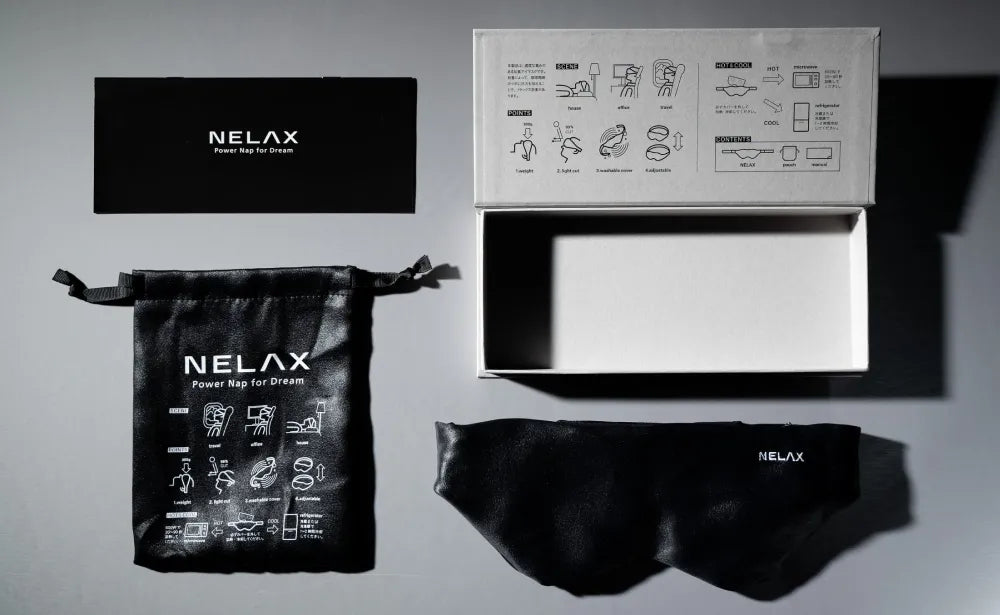
For example, HIRUNEGAO's weighted eye mask naturally blocks out outside light and sound.
Even just 15 minutes can give you a sense of calm.
Medically, this is said to be close to a deep state of relaxation.
Even if you can't sleep, simply closing your eyes and breathing quietly will put your brain into rest mode.
By creating a "short night" during the day, the quality of your sleep at night will also improve.
This chain reaction ultimately creates a body that is less susceptible to stress.
3. Improved corporate image - Trust that we are a company that values people
"Is it okay for a company to have employees taking naps?"
Those days are over.
In fact, today, companies that care about the health and mental health of their employees are considered to be "trustworthy companies."
By introducing the siesta system, we can communicate our "attitude of valuing people" to the outside world.
As a result, this leads to improved employee benefits and lower turnover rates, which is also effective in securing talented personnel.
Younger generations in particular are increasingly choosing workplaces based on "ease of working" and "company philosophy" rather than salary.
A workplace where you can take naps is not just a system, but a sign of trust.
Carefully considering the lives of employees - that attitude itself becomes the company's brand.
4. Combine with flextime for a flexible working style
What if we combined the siesta system with flextime?
You will have more freedom in choosing your working hours.
For example, employees who are raising children can "go home once in the afternoon, take a nap, and do housework."
Employees who are caring for family members can take a short break in the afternoon to care for their family members before returning to work.
In other words, we are entering an era where work styles are not bound by a "time axis" but are designed based on "rhythm."
By incorporating naps, we can create a work style that suits each employee's lifestyle.
Also, by switching off once during the day, you will reduce mistakes and errors in judgment at work.
A siesta can also be described as a "productivity break."
5. The key to success is to "make it a culture"
The siesta system will not last if it is simply introduced.
The most important thing is to create an atmosphere throughout the company where it's okay to take time off.
for example--
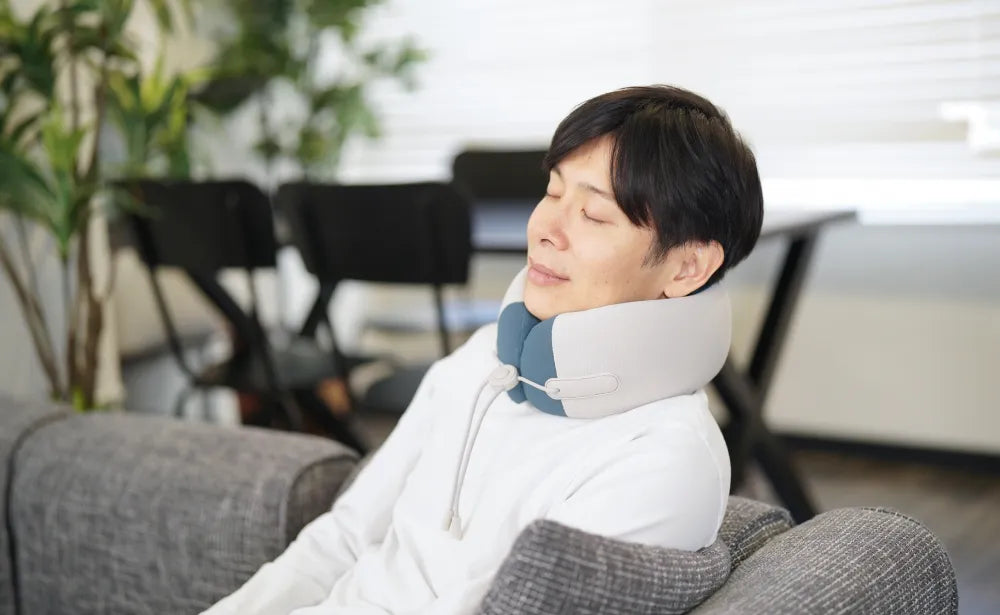
- Create a small nap space in your office
- Prepare a room where you can dim the lights
- My boss takes the initiative to take a nap (lol)
Just this one thing will change the atmosphere in the company.
Naps become a part of everyday life, not something special.
This will drastically change the level of fatigue and mental health of employees.
Create a culture where working doesn't just mean working hard.
That is the biggest secret to the success of the siesta system.
HIRUNEGAO believes that "companies that take naps" are strong
At HIRUNEGAO, we aim to create a society where people can enjoy taking naps.
It is a world where sleeping is not seen as a bad thing, but rather accepted as part of performance.
A 15-minute nap can give you four hours of focus in the afternoon.
This is no exaggeration and has been proven by numerous studies.
See sleeping employees not as "people resting" but as "people getting ready."
If more companies like this existed, I believe working in Japan would become more kind and productive.
Summary: Napping is not a form of slacking, it's a strategy
- The siesta system dramatically increases afternoon productivity
- Reduces sleep deprivation and stress
- Improves the company's image and is effective in securing talent
- Combined with flextime, this allows for flexible working styles
Taking a nap is not about "stopping" but about "getting organized."
It's time to prepare to keep running.
15 minutes in the afternoon could change your day.
Today, somewhere in an office, someone is quietly closing their eyes.
Those people may be at the forefront of changing tomorrow.