


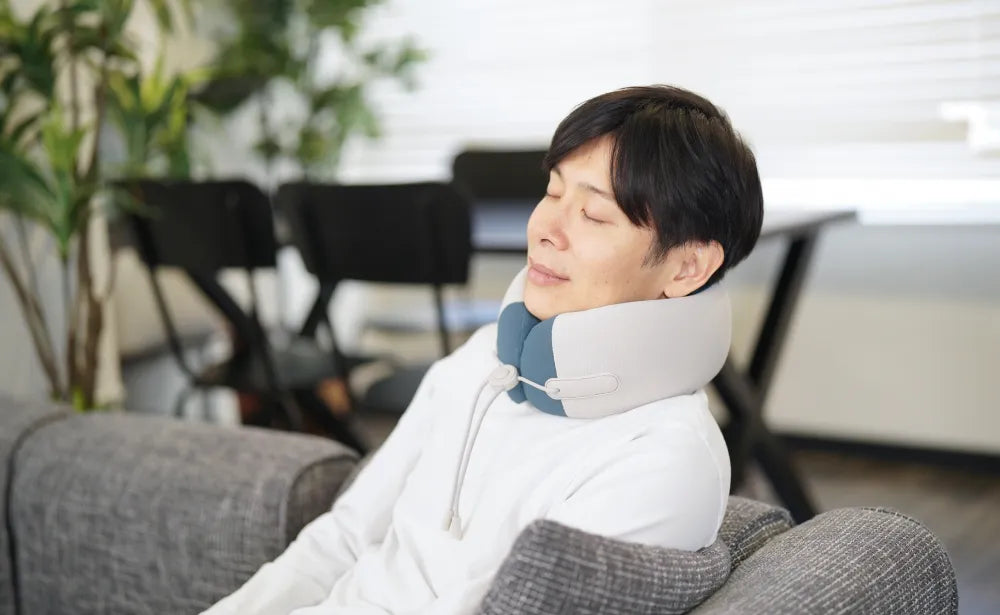
99% of people don't know about this... This is the "new common sense" about sleep


Introducing 7 new common sense tips for a good night's sleep
Introduction
"Even though I'm in bed, I'm too wide awake to fall asleep..." "I feel groggy all day, but at night all sleepiness disappears..." There are surprisingly many people who have these kinds of problems.
In fact, some simple lifestyle changes can significantly improve these sleep problems. Here are seven tips to help you achieve the "new common sense for a good night's sleep." Find the style that suits you best and wake up feeling a little more refreshed every day!
1. Pay attention to the brightness of not only the bedroom but also the living room
You might think, "Just making the bedroom dark is fine!", but in fact, the brightness of places like the living room, where you spend a lot of time before going to sleep, is also very important.
For example, if you leave the lights on full blast at night, your body may mistakenly think that it's still daytime and you don't need to sleep. The paler the light, the more likely your brain is to wake up.
So, we recommend trying to dim the lights two to three hours before going to bed. The trick is to switch to night mode all at once by lowering the brightness a little or using indirect lighting to switch to soft, warm light. Simply by eliminating the "brain confusion" caused by bright lighting, you can prepare for sleep more smoothly.
2. If you're not sleepy, don't go to bed.
Many people probably just crawl into bed early and roll around while waiting for sleep to set in. However, if you continue to stay in bed even when you're not sleepy, your brain may mistakenly think that "bed = a place to stay awake."
Then, when you finally get into bed and decide to sleep, your brain will think, "I've come to a place where people are awake!", creating a vicious cycle that makes it even harder to fall asleep.
In times like these, I recommend leaving your bed for a while and relaxing in the living room, reading a magazine, or drinking a hot drink. If you return to your bed when you feel sleepy, you'll often find that you fall asleep faster than you expected. It's just a little effort to remind your brain that the bed is a place to sleep.
3. Don't get too hung up on the 90-minute sleep cycle
Have you ever heard the old theory that "human sleep occurs in 90-minute cycles"? Some people may use this as a basis to calculate how long they will feel refreshed if they sleep for a certain number of hours.
While this may be true for some people, it actually varies greatly from person to person and can also be affected by factors such as physical condition, stress, age, etc. Some say that rather than an exact 90 minutes, it can range from 80 to 120 minutes.
In short, not everyone has a 90-minute cycle. The important thing is to get into the habit of going to bed and waking up at the same time every day to regulate your body clock. It's much more effective to find the rhythm that makes your body feel most refreshed.
4. If you feel tired after sleeping too much, it may actually be because you're not getting enough sleep.
Have you ever felt disappointed and thought, "I really overslept today, so why does my body feel so heavy?" In fact, if you don't feel refreshed even after sleeping for a long time, it's often because you've accumulated a lack of sleep.
If you continue to lack sleep, the quality of your sleep will often decline to begin with, so even if you finally get a long night's sleep, you won't be able to get into deep sleep, and as a result, you will not be able to get rid of your fatigue.
If you feel like you're sleeping too much, take a look back at how much sleep you get and how well you fall asleep each day. If you focus on quality over quantity, you'll find that you wake up feeling refreshed even if you've had just the right amount of sleep.
5. Being a morning person or a night person also changes with age
Some people may give up, thinking, "I've always been a night owl...", but in fact, this tendency to be a morning or night owl can shift with age and changes in lifestyle.
I often hear people say that when they were younger they didn't mind staying up late, but as they got older they started going to bed earlier and getting up earlier.On the other hand, there are also people who have become night owls because of their work.
The key is to carefully assess your current rhythm. Forcing yourself to stay up late because you're a "night owl" can actually make you more susceptible to illness. Take a careful look at your lifestyle patterns and create a rhythm that's comfortable for you.
6. Review your smartphone and tablet usage before bed
We can't help but use our smartphones and tablets to browse social media, surf the web, and watch videos, but the blue light from the screens can stimulate the brain and delay sleepiness.
If you look at a screen right up until you go to sleep, your brain will still be active even when you get into bed with the intention of "going to sleep," which can make it hard to fall asleep. If you're someone who says, "But I have a habit of looking at my smartphone to relax before bed..." one idea is to use a blue light blocking app or night mode to reduce stimulation even a little.
Ideally, avoid using your smartphone for an hour before going to bed and spend the time relaxing listening to your favorite music or audiobook.
7. Gentle exercise helps regulate your body and mind
You might think that exercise is out of the question if you're tired during the day, but moderate exercise can help you get good quality sleep. Sitting or standing for long periods of time can impair blood circulation and actually make you feel more tired.
Intense exercise at night can keep you awake, so it's a good idea to take a light walk or do some stretching or yoga a few hours before going to bed. When your muscles are loosened, relaxation hormones are more easily released, making you feel more relaxed.
Try starting with a light-hearted attitude, like, "Today was tough, but this is a reset!"
summary
- Turn off the lights in the living room and switch to night mode
- If I'm not sleepy, I won't go to bed
- Everyone's sleep cycle is different, so don't get too hung up on 90 minutes
- If you feel tired after sleeping too much, it may be a hidden lack of sleep.
- Morningness and eveningness can change depending on age and circumstances
- Use your smartphone sparingly before bed and be careful of blue light
- Relax your body with light exercise and stretching
Sleep may seem like something we take for granted, but it's actually incredibly important and profound. Even just making small adjustments to your habits and living environment can often bring about surprising changes.
It's fun to try incorporating some of the points that seem to fit your lifestyle and experiment to see how it helps you wake up easier. You'll probably find yourself having more mornings where you feel refreshed lately. Give it a try!