



5 tips for a refreshing nap that will help you wake up refreshed
In the midst of busy days, do you ever find yourself feeling sleepy in the afternoon or your concentration dropping off after lunchtime? That's when taking a short nap is the perfect solution. If you take a good nap, you'll not only perform better in the afternoon, but you'll also feel refreshed. Here are five tips to help you wake up feeling refreshed.
1. Sleeping in a sitting position
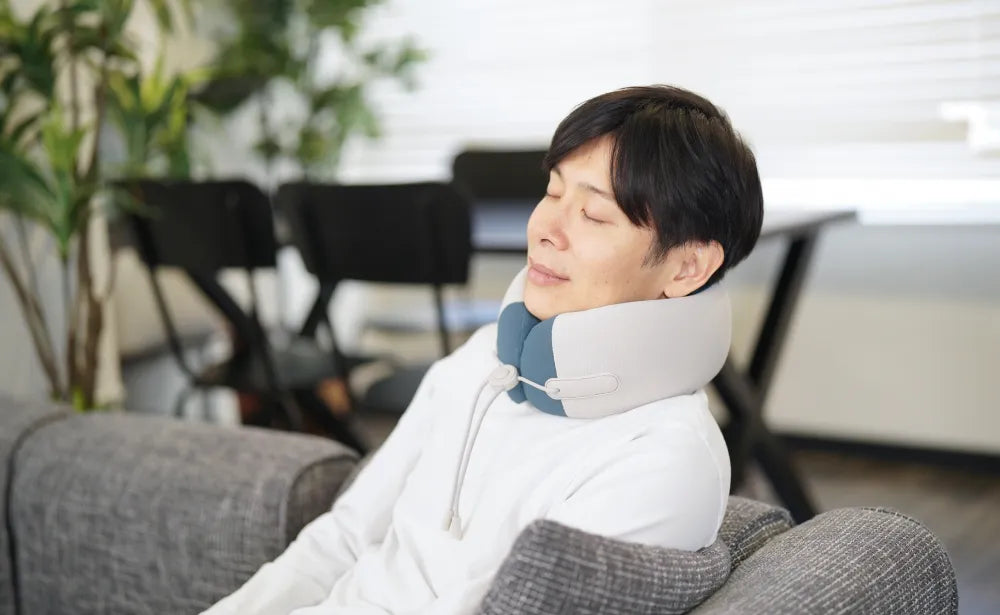
When you think of naps, you might imagine lying down in bed, but taking a nap while sitting in a chair is actually easier to prevent from falling into too deep a sleep. When you fall into a deep sleep, your body can feel sluggish when you wake up. If you lean back in a chair, it's easier to fall into a nap and wake up, so you should be able to feel refreshed in a short amount of time.
2. Block out light
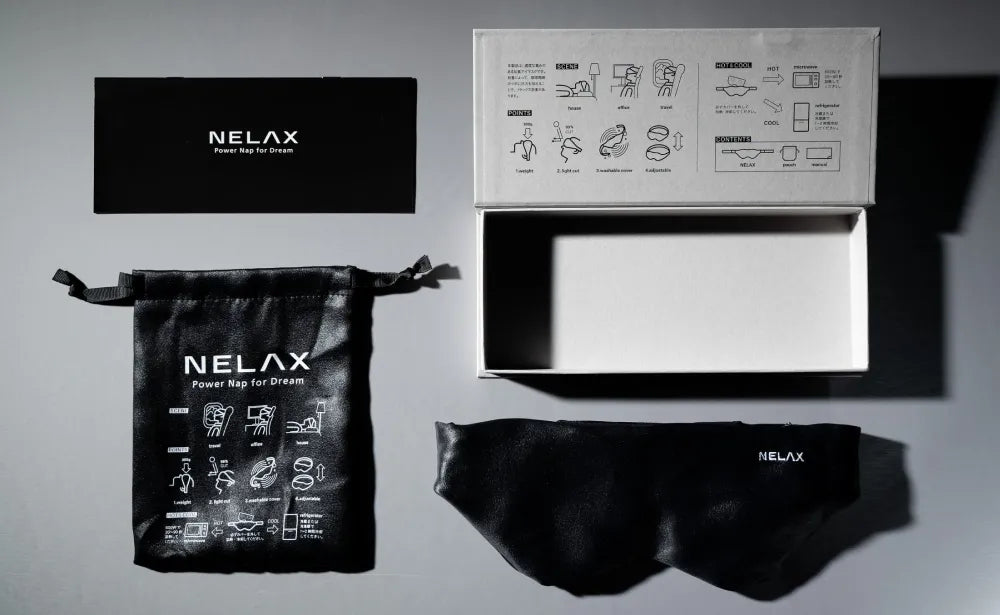
Even a small amount of light can stimulate the brain, making it difficult to fall asleep. When taking a nap at the office or at home, try to block out as much light as possible by closing the blinds or curtains or using an eye mask. A darker environment can make it surprisingly easy to fall asleep. If that's difficult, simply turning off your computer screen can be surprisingly effective, so try it.
3. Create a comfortable noise environment
Have you ever experienced the feeling that "when it's too quiet, the noises actually bother you?" For some people, a certain amount of noise can help them sleep better than silence. In such cases, we recommend using white noise, which has a constant rhythm, such as the sound of a cafe, waves, or rain. You can easily find relaxing sounds using smartphone apps or video sites, so try finding them.
4. Caffeine before a nap
It may seem a little strange, but there's a technique called a "caffeine nap" where you drink coffee or tea before taking a nap. It's said that it takes about 20 to 30 minutes for the caffeine to fully work its way into your body. If you wake up at that time, you'll feel surprisingly refreshed when you wake up. Try drinking coffee after lunch and then taking a short nap to see the effects for yourself.
5. Always take a nap during the day
Taking a nap after the evening can affect your nighttime sleep, so try to take it early in the afternoon if possible. A short nap of around 20 minutes won't have much of an effect on falling asleep, so don't worry. The purpose is to supplement your main nighttime sleep, so try to be mindful of the time and length of your nap.
summary
A short nap is a powerful ally that can reset fatigue and stress. However, sleeping too deeply can have the opposite effect after waking up, so it's important to know the tricks to get a quick, short rest. Taking a nap while sitting in a chair, blocking out light, playing soothing noises, making good use of caffeine, and finishing your work during the day - just by combining these tips effectively, you can dramatically improve your concentration and energy in the afternoon.
If you're not good at napping, or if you try it and don't feel like you're getting the full benefits, try out a variety of combinations within your limits. The optimal napping style varies from person to person. If you can find the napping habits that work best for you, you should be able to cope with daytime fatigue and sleepiness. Give it a try today!