
Small lunchtime habits you'll want to try every day


Lunchtime habits you should try every day: 5 ways to reset yourself in the afternoon
Hello. This may be out of the blue, but don't you find that your mental agility slows down to about 3G in the afternoon?
Things were going pretty smoothly in the morning, but after lunch I started to think, "Huh? Where did my motivation go?"
My eyes are open, but my brain is absent. I can't remember half of the meeting.
Even though I'm sitting in a chair, my mind has already returned to my bed. That's the devilish time of the afternoon...
But just adding a few simple habits can make a big difference in how you spend your afternoons.
I'd like to casually introduce five "small resets" that you can do every day, not something special that will get you praised by others.
1. Lunch is just right, even if it's a little small.
It's been a busy morning and I'm starving.
There are days when I just want to eat what my stomach desires, like, "Today I'll have katsudon + ramen + fried chicken!"
If you eat too much at lunch, blood will concentrate in your stomach, making you feel dizzy.
My concentration in the afternoon plummeted, and I felt extremely sleepy.
So, I choose to eat only until I'm 80% full.
The key to getting through the afternoon is to stop when you feel like you want to eat a little more.
Personally, I think one rice ball and miso soup is the best.
If that's not enough, a small snack at 3 o'clock is fine.
2. Napping isn't cheating. It's a strategy.
When you're sleepy, it's better to take a short nap than to force yourself to stay awake, as this will improve your performance.
This is both empirical and clearly supported by research.
I recommend about 20 minutes.
Be careful, if you sleep for more than 30 minutes, you will fall into a deep sleep and it will be difficult to wake up.
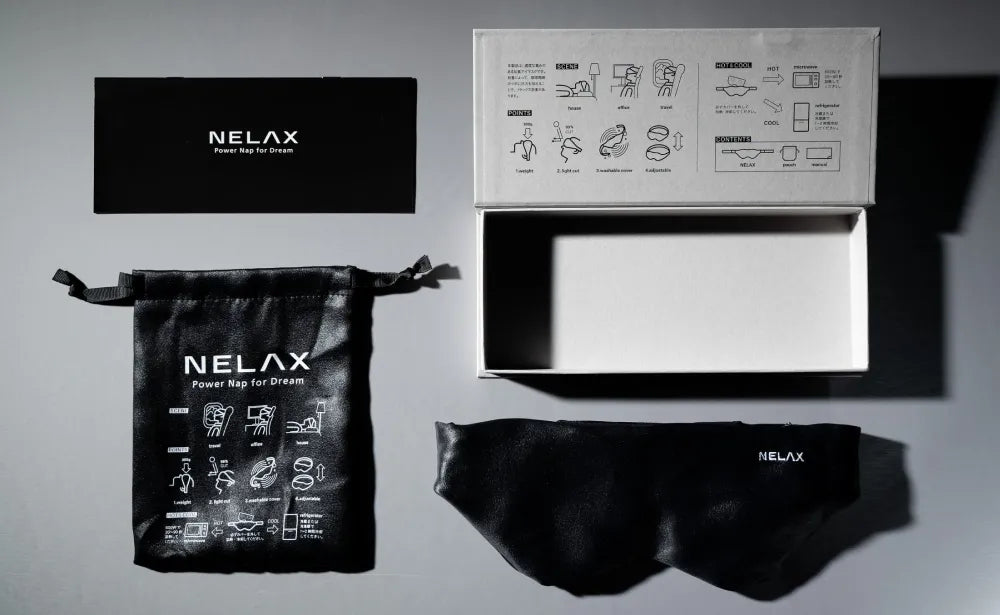
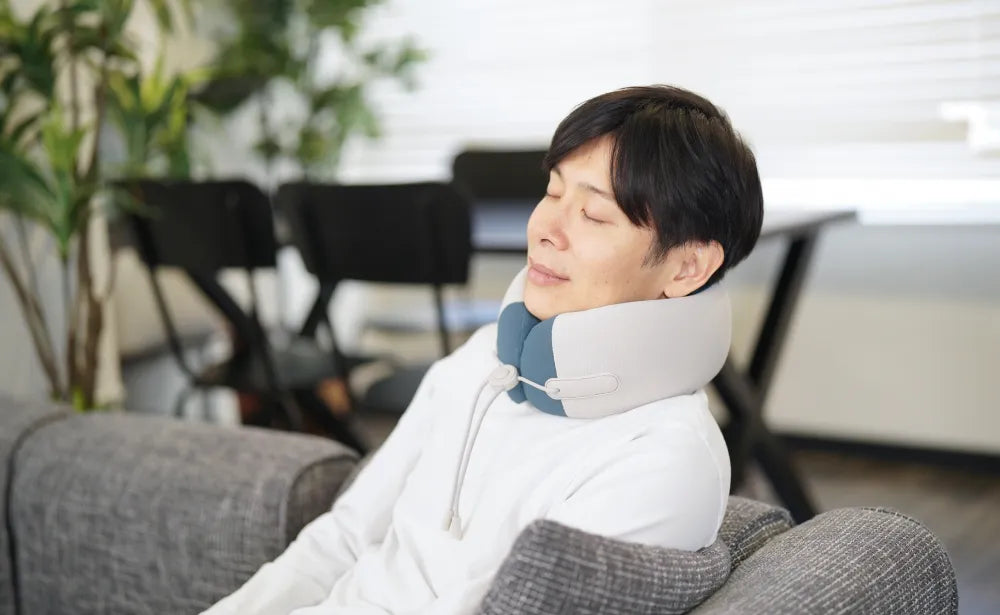
It may be difficult to lie down at work or when you're out and about, but even just closing your eyes in a chair can make a difference.
Also, this is a little trick, but if you drink coffee before your nap, you will wake up feeling much more refreshed.
It takes 20 to 30 minutes for the caffeine to kick in, so it wakes you up just in time to wake up.
You might be wondering, "Coffee before sleep?" but just give it a try and see for yourself.
3. Walking is the best idea generator.
If you can't take a nap, we recommend taking a light walk.
Instead of walking while looking at your smartphone, try to just stare blankly at the sky if possible.
Just breathing in the fresh air outside can be refreshing.
On sunny days, you can also get a boost of vitamin D, killing two birds with one stone.
Also, have you ever had a sudden idea pop into your head while walking?
Apparently, this is because your brain switches from "overthinking mode" to "inspiration mode."
I walk around with the memo app open in my pocket.
Whenever I think of something, I jot it down. Sometimes it doesn't make sense when I look at it later (lol), but sometimes there are some treasures mixed in.
4. Small talk is a vitamin for working people.
The more serious a person is, the more likely they are to think, "I have to make good use of my lunch break!"
But just a quick chat can lighten the afternoon mood.
"What did you have for lunch today?" or "Where are you going this weekend?"
Just two or three minutes of casual conversation can help relieve some of the stress and make you feel lighter.
Also, talking gives you a sense of connection with other people, which makes you feel at ease.
In fact, much of work is based on human relationships.
However, be careful not to turn it into too much of a complaints session.
It would be best to end it with a light-hearted laugh.
5. Meditation is surprisingly possible.
"I can't take a nap, I can't go outside, I can't talk to anyone."
On those days, try closing your eyes and taking deep breaths for just three minutes.
This is what we call "meditation."
The process is very simple.
Sit upright in a chair.
Close your eyes and focus only on your breathing.
It's okay if distracting thoughts pop up, you don't have to chase them away.
Just realize, "Oh, I'm thinking about something," and return to breathing.
Doing this for just 3-5 minutes will help clear your mind.
It's strange, but even just a few minutes can make a big difference.
Conclusion: If you can be kind to yourself in the afternoon, that's enough.
If you try to do everything efficiently and perfectly, your mind and body will become dry.
In the afternoon, it's surprisingly important not to try too hard.
In fact, by "relaxing a bit" or "switching gears," you can actually concentrate better.
All five habits introduced here are easy to implement and don't require any stress.
- Don't fill yourself up too much
- Try to sleep a little
- Try to get some fresh air
- Talk to someone for a bit
- Be aware of your breathing
You don't have to do it perfectly, and you don't have to do it all.
I think it's best to just incorporate one thing a day that you feel like doing.
"It was kind of nice this afternoon."
I think it's really important if we can have more time to think like that.
Well then, have a nice afternoon.