


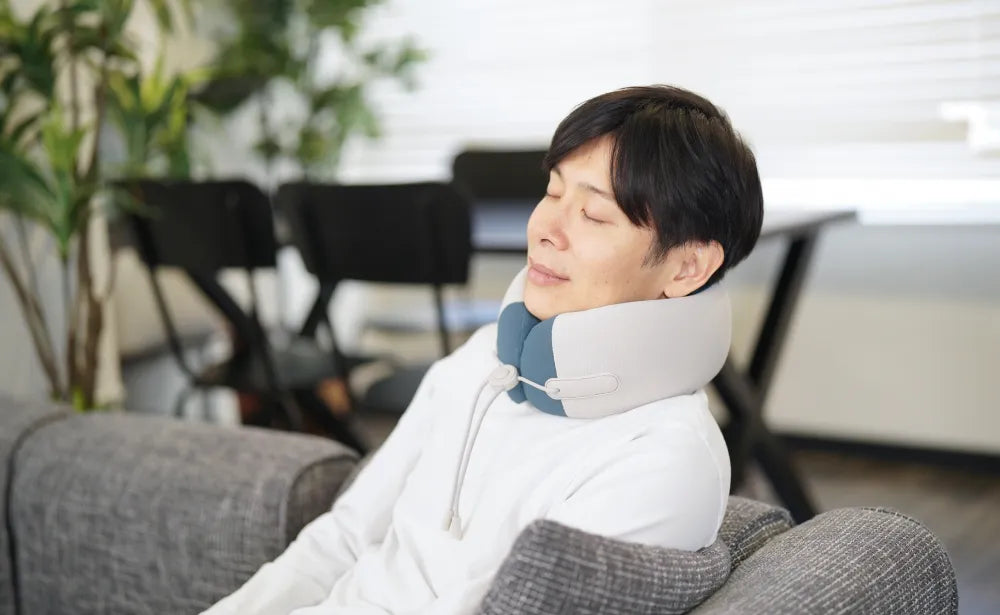
Headaches after naps: A detailed explanation of the causes


[Caution] Headaches after naps... A detailed explanation of the causes
Have you ever woken up with a throbbing headache, even though you thought taking a nap would make you feel refreshed? Perhaps your usual napping habits are to blame. In this article, we'll explain in detail the causes of headaches after naps.
1. Naps that are too long can be counterproductive!
It's easy to fall asleep for a long time on a day off. However, taking a nap for more than an hour can cause significant fluctuations in blood flow to the brain, making you more susceptible to migraines. Also, falling into too deep a sleep can lead to a condition called "sleep inertia," where you feel groggy when you wake up, which can cause headaches.
2. Neck and shoulder pain... bad posture when napping
Sleeping with your head on your desk or napping in an awkward position on the sofa can put excessive strain on the muscles in your neck and shoulders, which can reduce blood flow and cause tension headaches.
3. An unexpected pitfall! The room temperature is not the right temperature
The room temperature of the environment where you take a nap can actually affect headaches. Sleeping in a room that is too hot or too cold can cause your blood vessels to contract or expand rapidly, which can lead to headaches. Also, sleeping with the air conditioning blowing directly on your body can cause your muscles to stiffen, leading to poor circulation and headaches.
4. Sleep apnea: a possibility that cannot be overlooked
If you snore a lot or are overweight, you may have sleep apnea. This condition can cause your breathing to temporarily stop even during a nap, resulting in a lack of oxygen in your body. This can result in a headache after waking up.
5. Enjoy your afternoon activities comfortably! Ideal nap time
So, how long should you take a nap? The ideal length of nap time, which allows your brain to rest properly and allows you to wake up feeling refreshed and ready to resume your activities, is said to be around 15 to 30 minutes . This length of time allows you to wake up before entering deep sleep, which reduces the effects of sleep inertia and reduces the risk of headaches.
summary
There are many possible causes of post-nap headaches, so take a look at your own napping habits and see if any of them apply to you.