
5 Tips to Maximize Your Nap's Benefits!


It would be a waste to just take a nap!
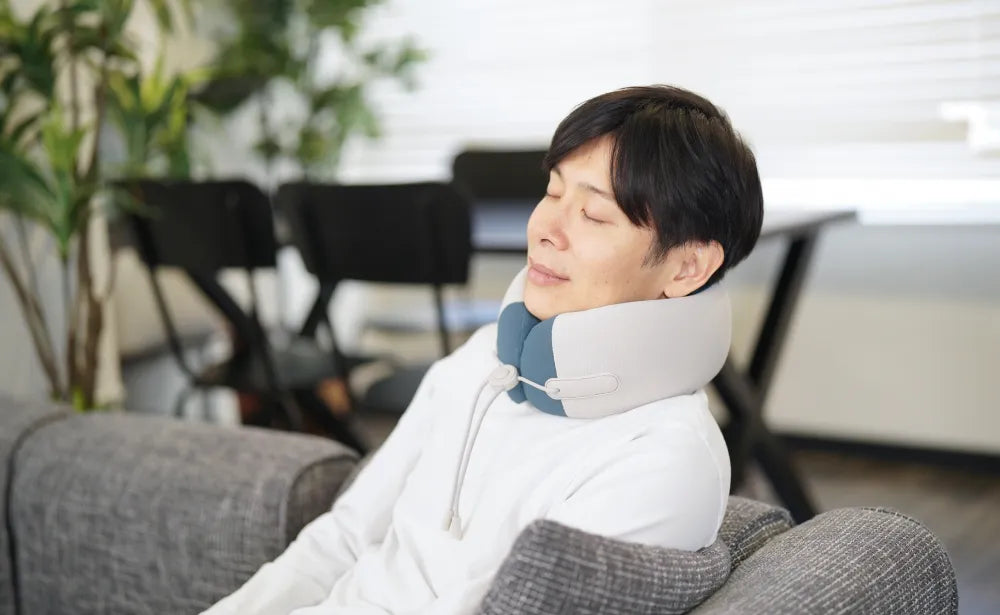
When you hear the word "nap," some people may immediately think of "an old man's habit" or "nodding off during class as a student." However, napping is actually an incredibly powerful "energy recharging technique" for those of us living in the modern world.
However, it's not enough to just take a nap. The quality of your nap can change dramatically with just a little ingenuity, such as timing, time, and environment.
In this article, we will introduce five "tips for taking a proper nap" that will greatly improve your afternoon performance.
This is a must-read for anyone who has been feeling like, "I've been having trouble thinking in the afternoons lately," or "I want to try a little harder but I just run out of energy."
1. Naps should be between 1:00 PM and 3:00 PM
Do you ever find yourself spacing out after lunch?
Your body's rhythm is actually designed to make you sleepy during this time. Your blood sugar level rises after lunch and then drops sharply. If you can get a good rest here, your efficiency in the afternoon will be completely different.
A short nap between 1:00 PM and 3:00 PM is especially recommended. Your body and brain are calling out for a little rest, so a short nap at this time will help you switch off and refresh your mind. It's much more productive than fighting sleepiness by chewing gum or washing your face with cold water.
Of course, some people may not be able to take a nap at this time due to work or other circumstances, but try to do what you can, such as "closing your eyes for just 10 minutes" or "moving to a quieter place and regulating your breathing."
2. Limit your naps to 10-20 minutes
"Will I feel refreshed if I sleep for 30 minutes?"
But wait a minute. When it comes to naps, the conventional wisdom is that the shorter the better.
If you sleep for more than 20 minutes, your body will begin to fall into a deep sleep. This can lead to the mysterious feeling of "I'm awake, but I still feel sleepy..." after waking up. This defeats the purpose.
The ideal time is about 10 to 20 minutes. Even a short time can significantly restore your brain.
In fact, many companies and professional athletes are apparently using this time as a guide for "power naps."
The key is to set a timer. If possible, set the alarm to go off 15 minutes later, and take into account the time it takes you to fall asleep. A short nap may give you the ability to concentrate like a different person for the rest of your afternoon work.
3. Find a quiet, dark place
Even if you think, "It's time for a nap!", someone might be talking on the phone next to you, or you might hear construction noises outside... This can actually be stressful.
If you want to maximize the effectiveness of your nap, quiet and darkness are key.
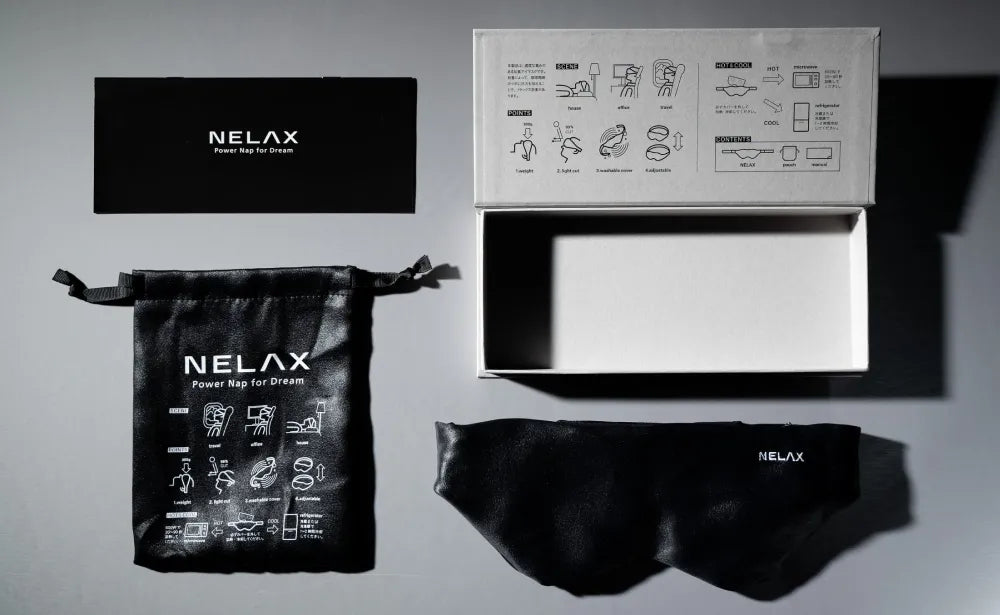
It is recommended to choose a place with as little noise as possible, dim the lights, or use an eye mask. It is also a good idea to use earplugs or listen to soothing music with headphones.
Recently, there has been an increase in items that can be easily purchased at 100 yen shops and Muji stores, and it seems that more and more people are carrying "nap sets" in their bags.
By the way, I've learned to take a nap anywhere with just a small cushion, an eye mask, and my favorite "river babbling sound." Once you get used to it, you'll even be able to sleep on a bench at the station (please don't try this at home, kids).
4. Have a caffeine sip before your nap
Drink coffee or green tea before your nap.
At first glance, you might think, "Isn't that counterproductive?", but this is actually a technique that is scientifically recommended.
The reason is simple: caffeine takes about 20 to 30 minutes to kick in. This means that if you have caffeine before your nap, it will kick in just in time to wake you up, leaving you feeling refreshed.
This method is called a "caffeine nap" overseas, and is apparently used by companies like Google and NASA. It's become a secret trick in the world of naps.
However, if you are sensitive to caffeine, don't push yourself too hard; non-caffeinated drinks are fine too. The most important thing is to have a relaxing routine.
5. After waking up, take some time to get yourself in shape
It's a bit of a waste to rush straight to your computer when you wake up!
If you rush into using the mind and body that you have worked so hard to prepare through a nap, the benefits will be diminished.
We recommend taking 3 to 5 minutes after waking up to "get yourself in order." Stretch a little, take a deep breath, drink a sip of warm water... These small actions will help you switch on comfortably for the afternoon.
People who say, "I took a nap, but I still feel tired..." often skip this "refreshment time."
Finally: A little ingenuity can make a difference in your afternoon
To recap, here are five ways to maximize the benefits of your nap:
- Go to bed between 1pm and 3pm
- The duration is 10 to 20 minutes
- Choose a quiet, dark place
- Drink caffeine before your nap
- Take some time to refresh yourself when you wake up
It's a simple thing, but it can have a huge impact on your afternoon productivity, your mood, and ultimately your entire day.
The image of "nap = slacking off" is now outdated.
Nowadays, "strategic napping" is the most powerful tool for modern people.
So, next afternoon, why not try graduating from just taking a nap?