
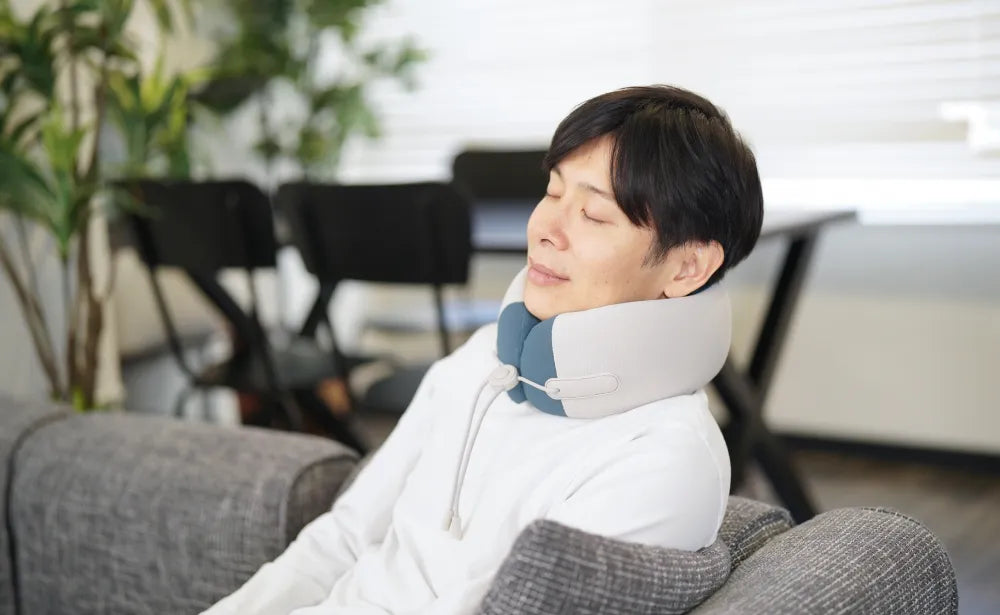
I can't get rid of my fatigue even after sleeping...could this be a "sleep debt"?


Chronic lack of sleep: Could it be a "sleep debt"?
Have you ever felt like, "I've been feeling sleepy lately and can't concentrate," or "I've been resting, but I still feel tired"?
This may be a sign that you have accumulated a "sleep debt."
Modern people, especially Japanese people who are said to work too much, tend to suffer from chronic sleep deprivation. In fact, many people are accustomed to sleeping less than six hours a night, which gradually accumulates damage to the mind and body.
This time, we will provide a clear explanation of naps, which are gaining attention as an effective way to eliminate sleep debt!
What exactly is "sleep debt"?
Sleep debt is the cumulative effect of not getting enough sleep compared to the amount of sleep you need.
What's more, this debt comes with interest. If left unchecked, it can lead to a decline in concentration and memory, a weakened immune system, and even increased risk of diabetes and high blood pressure... It's scary, isn't it?
The savior of sleep debt: naps
Taking a power nap is an effective way to reduce that debt!
A nap is a short sleep of about 15 to 30 minutes that helps reset your afternoon sleepiness and refresh your brain and body.
The best time to do this is after lunch (1pm-3pm), when sleepiness is at its peak.
The benefits of taking a nap
- ✅Improved concentration: Studies have shown that cognitive ability improves by 34% and attention by 54%!
- ✅ Energy Refill: Gives you a "fuel boost" to maintain your performance in the afternoon.
- ✅Relaxing effect: Relieve stress and reset your mood.
- ✅ Mental stability: A short break can also give you peace of mind.
- ✅Accident prevention: Also effective in reducing human error caused by drowsiness.
If you're reading this and thinking, "Sleeping at work..."
In fact, many well-known companies around the world are now moving forward with introducing nap systems!
Companies that have adopted nap systems
- Apple
- Microsoft
- Mitsubishi Estate Co., Ltd.
- GMO Internet, Inc.
Not only overseas, but also in Japan, an increasing number of companies are introducing nap time as a "siesta system." It is gaining attention as part of management strategies as it helps improve productivity and maintain employee health.
The correct way to take a nap
If you're thinking, "Okay, I'll take a nap then!", wait a minute!
There are a few things to keep in mind for an effective nap.
- ⏰Lying for 15 to 20 minutes: If you sleep for too long, you will end up feeling sluggish, so set a timer.
- 🪑The basic posture is "sitting": If you get into bed, you will fall into a deep sleep, so a chair or sofa is recommended.
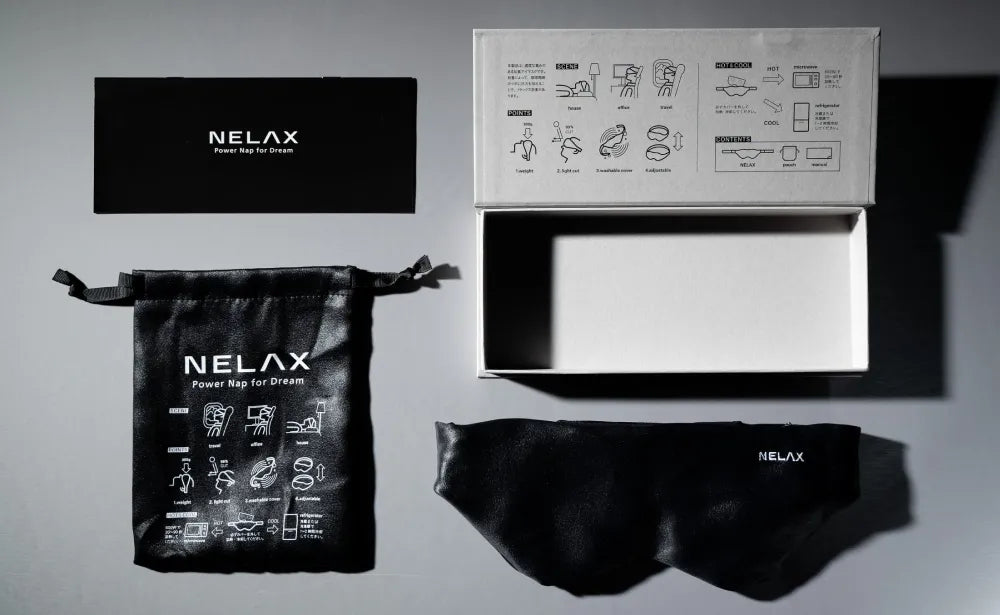
- 😴 Block out light: Use an eye mask or simply cover your eyes lightly!
- ☕ Caffeine before bed: Drink a cup of coffee before you take a nap. It will have a stimulating effect after 20-30 minutes, so you'll wake up feeling refreshed.
- 🌞Limit naps to daytime only: Taking a nap at night will affect your nighttime sleep, so no napping after 3pm!
Advice to improve your sleep: "Create a good nap environment"
- Find a quiet place (such as a conference room or a car)
- Put your smartphone on silent mode
- Use cushions or blankets to keep your body warm
In fact, the quality of your nap is greatly influenced by your environment! Just being calm and closing your eyes can make a difference!
summary
Sleep debt is an "invisible debt" that becomes more difficult to recover the more it accumulates.
But if we incorporate naps in the right way, we can maintain our performance during the day and live a healthy life!
"We sleep because we're busy" -- this is now becoming common sense around the world.
Why not try using power naps today?
The days of putting off sleep are over.
Get a good night's sleep and regain your natural energy!